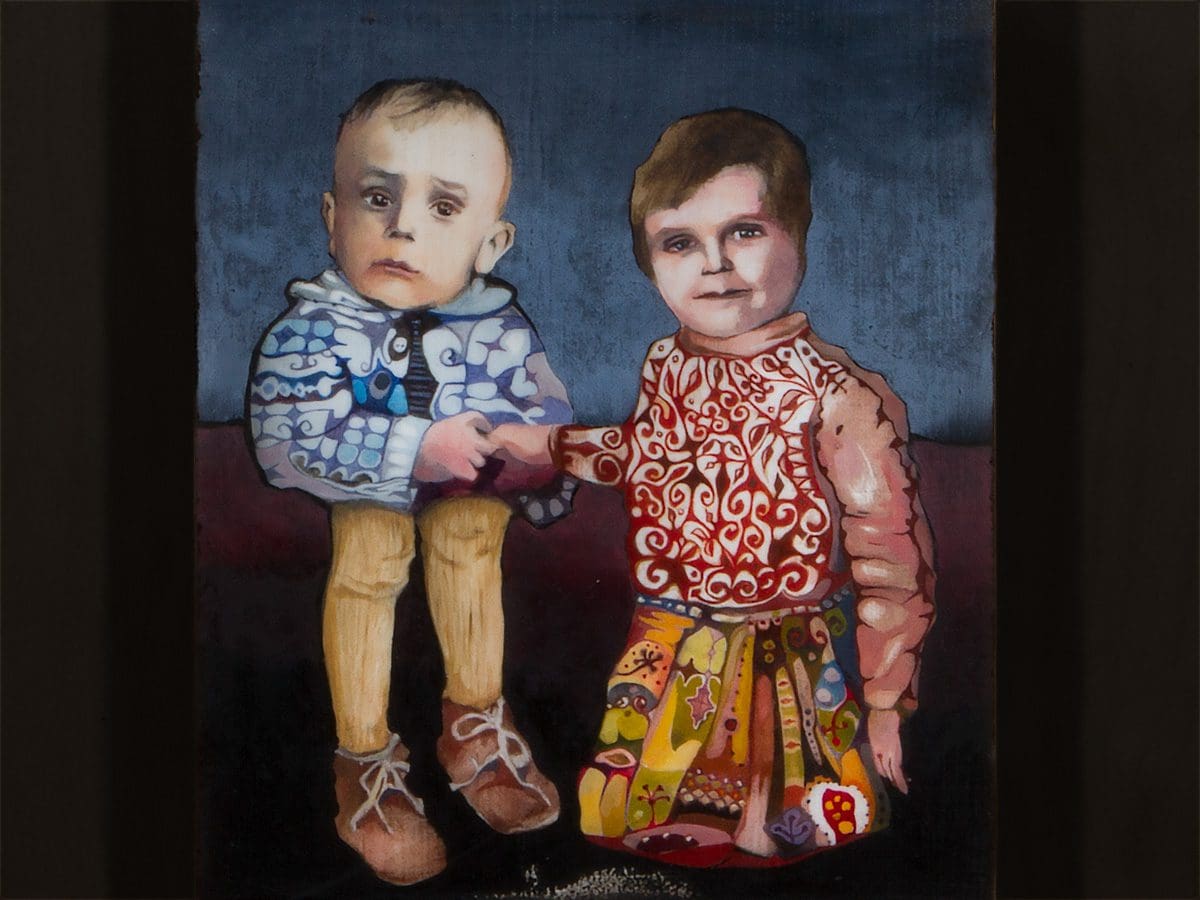
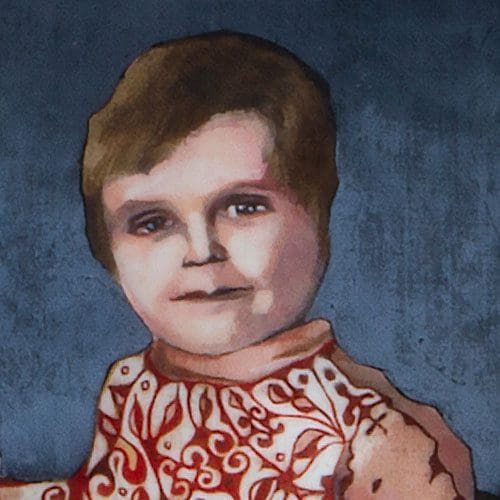
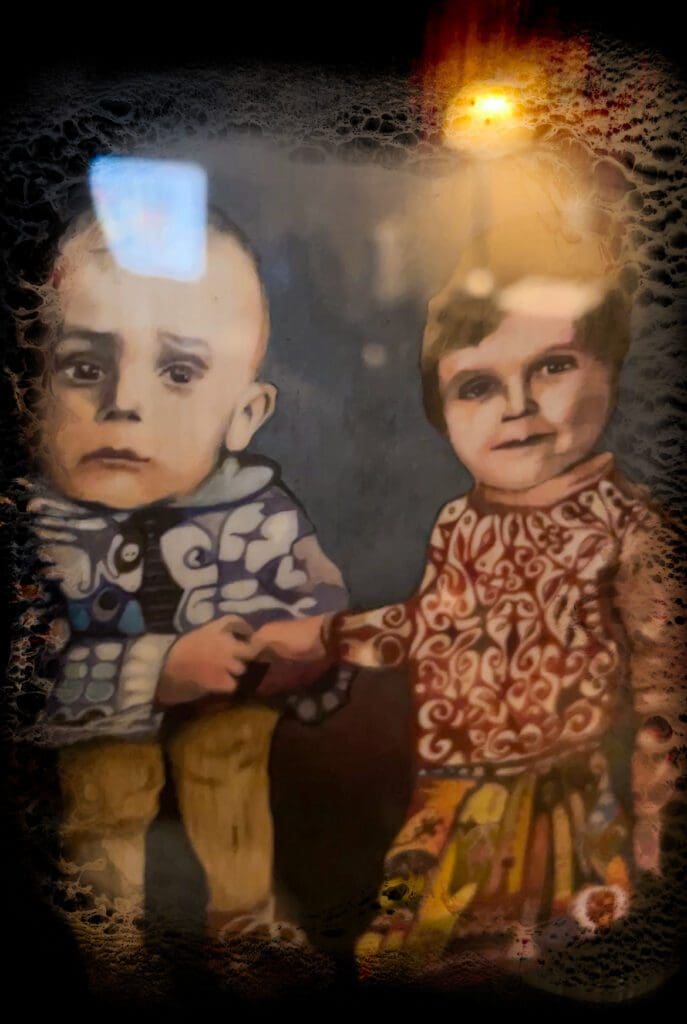
Jan a Dana holding hands;
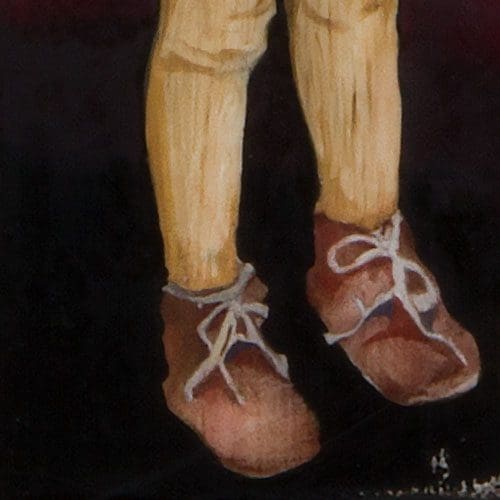
Jan is wearing tight knit pants.
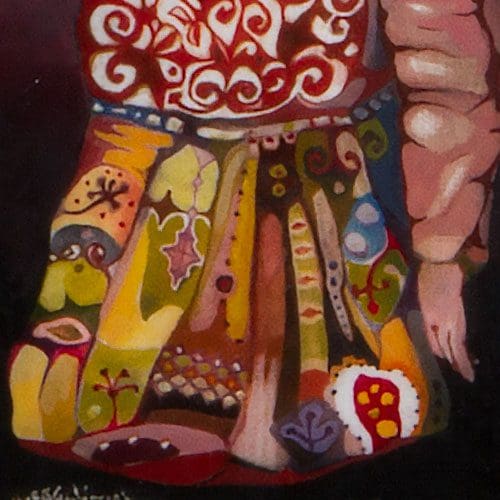
Dana in a flowering dress;
May the Good Lord children bless.
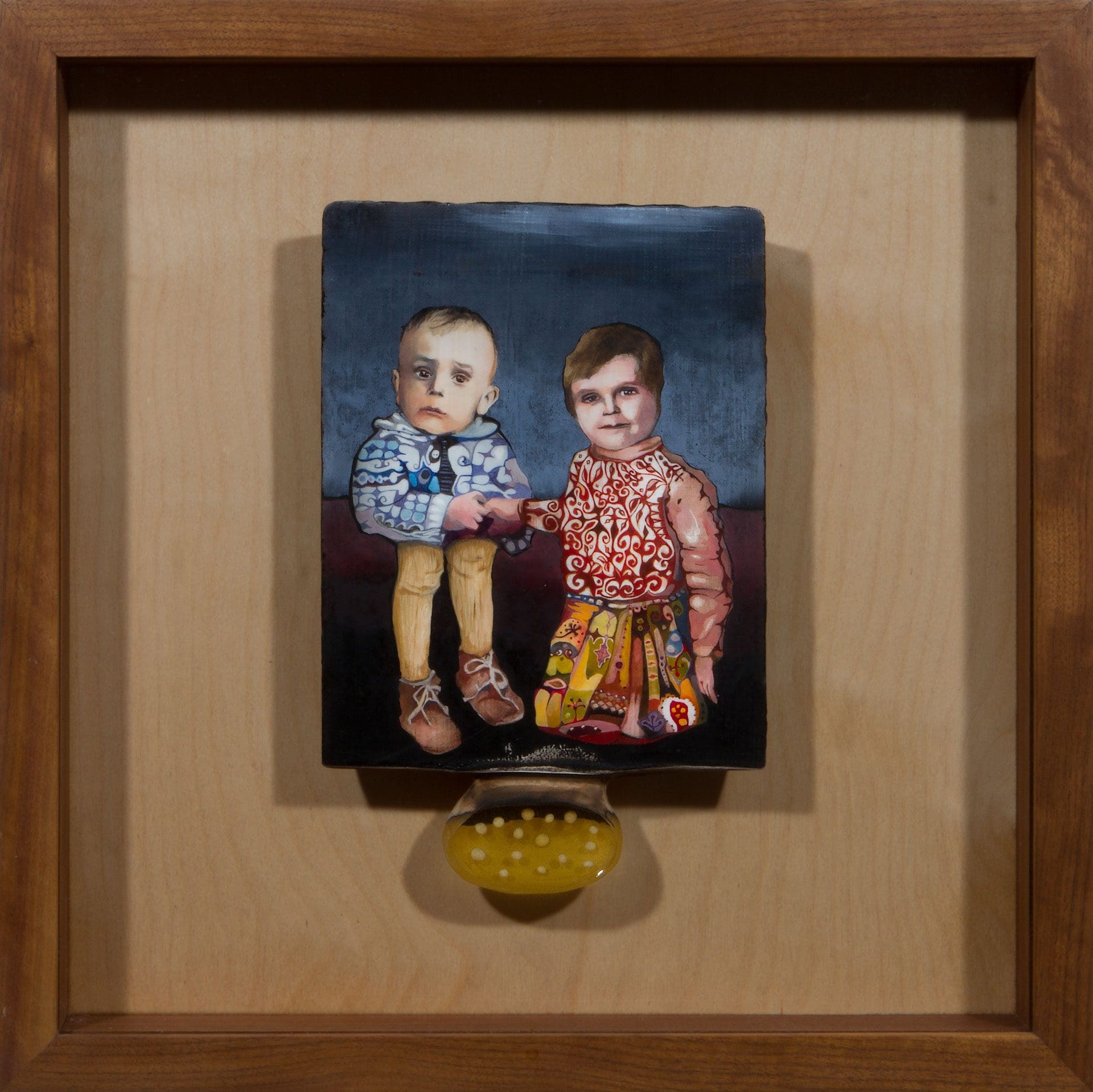
Love split in half,
God doing math.
Multiply by seven,
Love made in heaven.
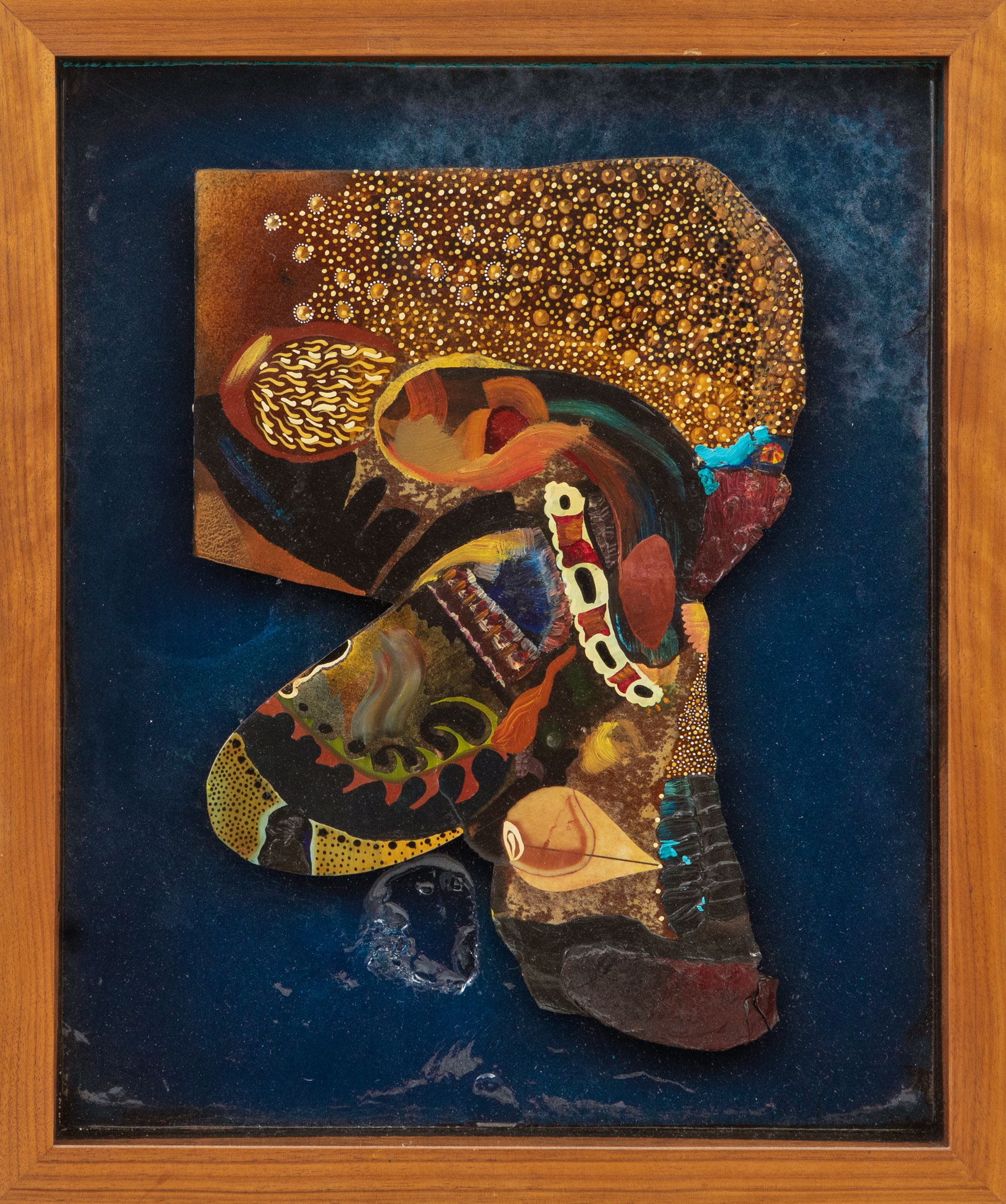
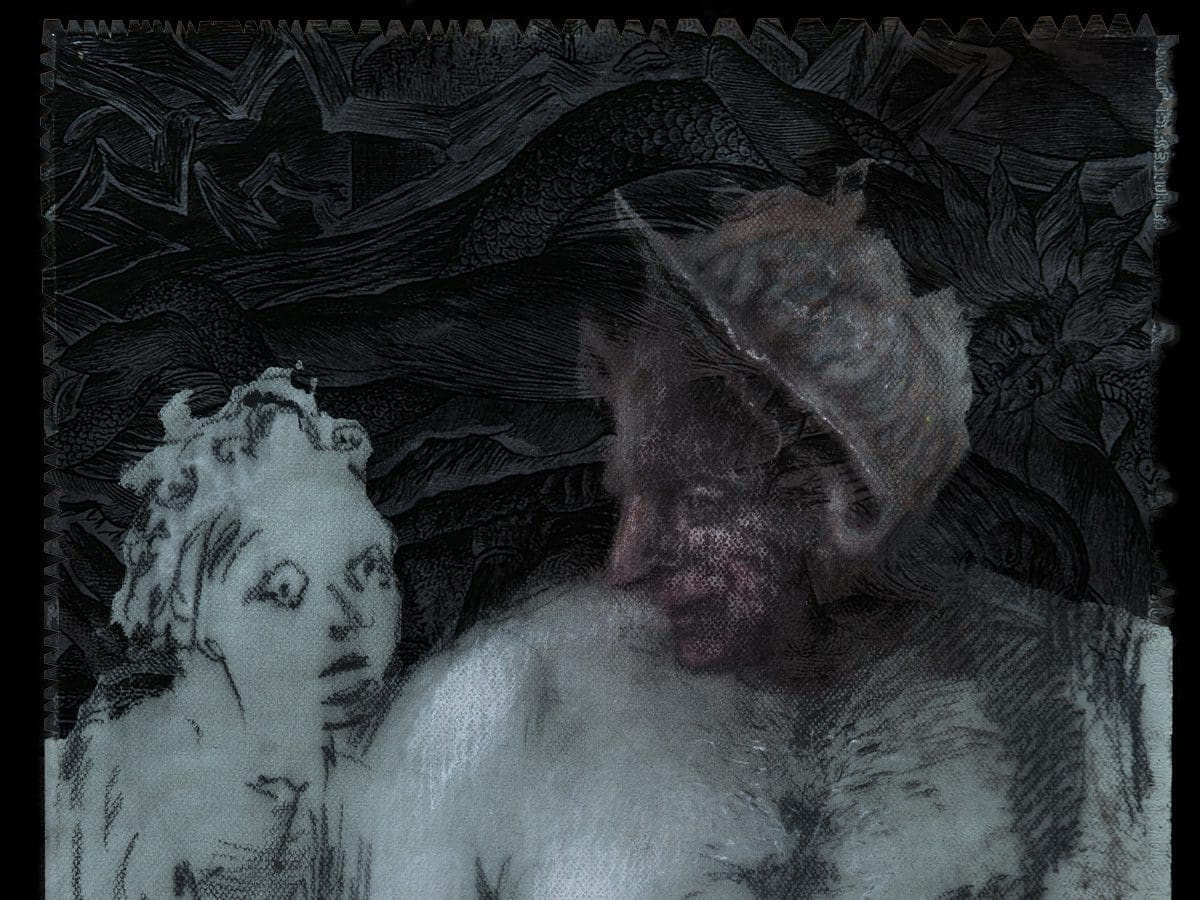
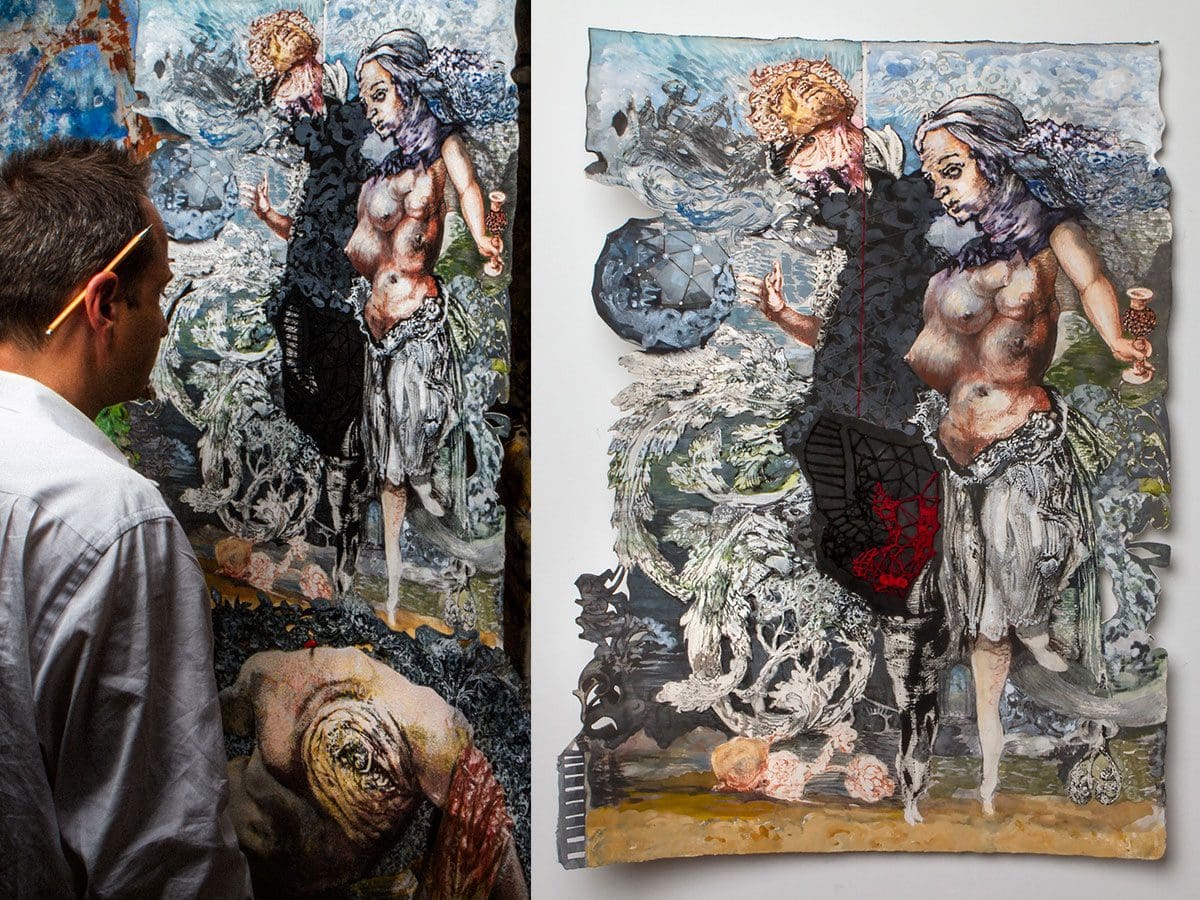
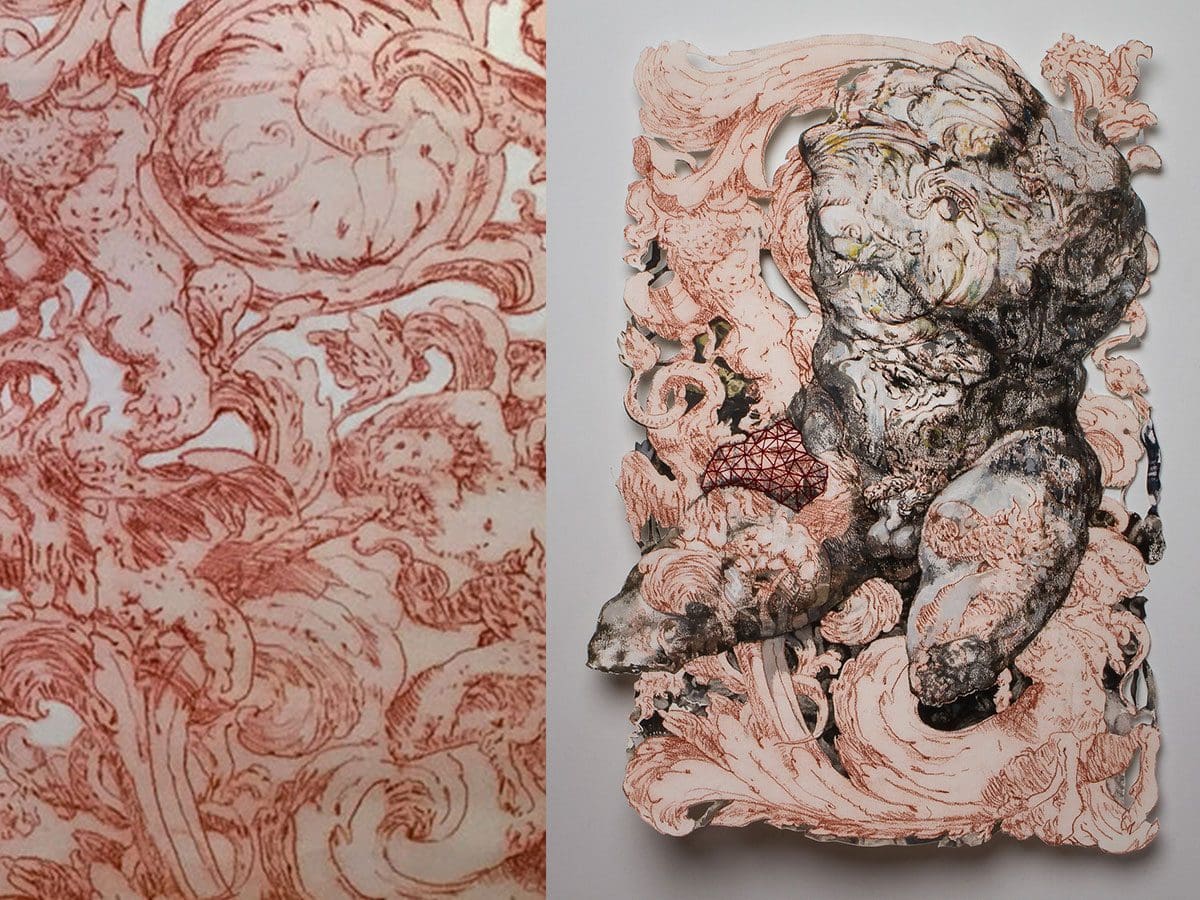
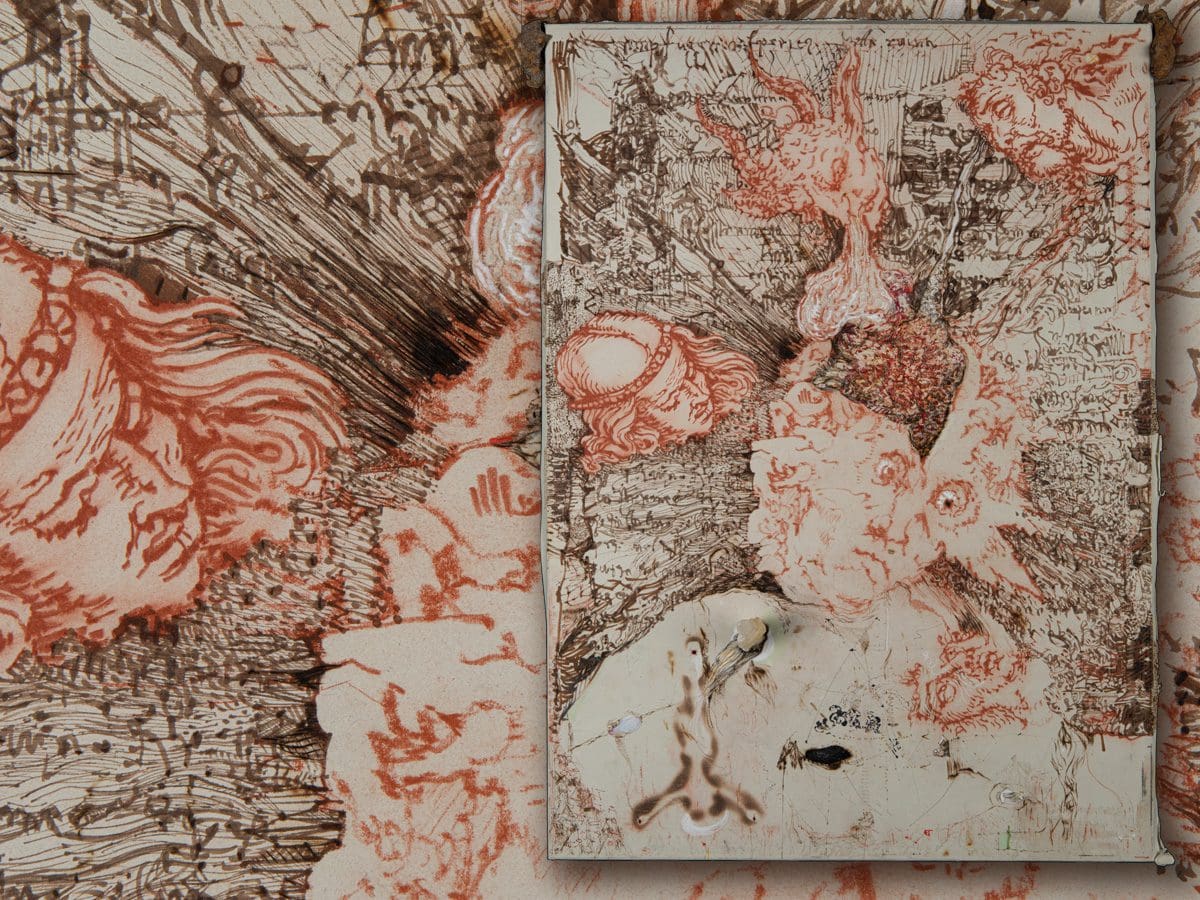
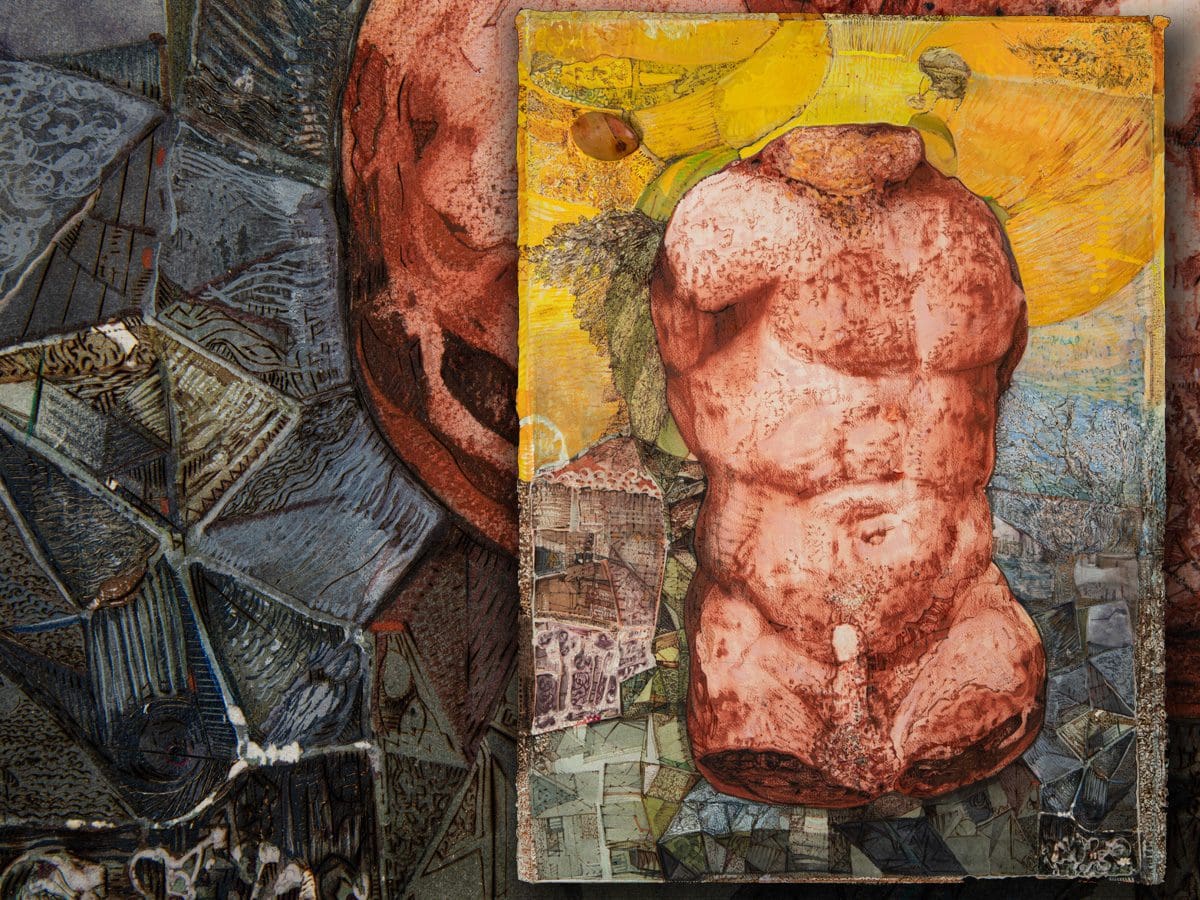
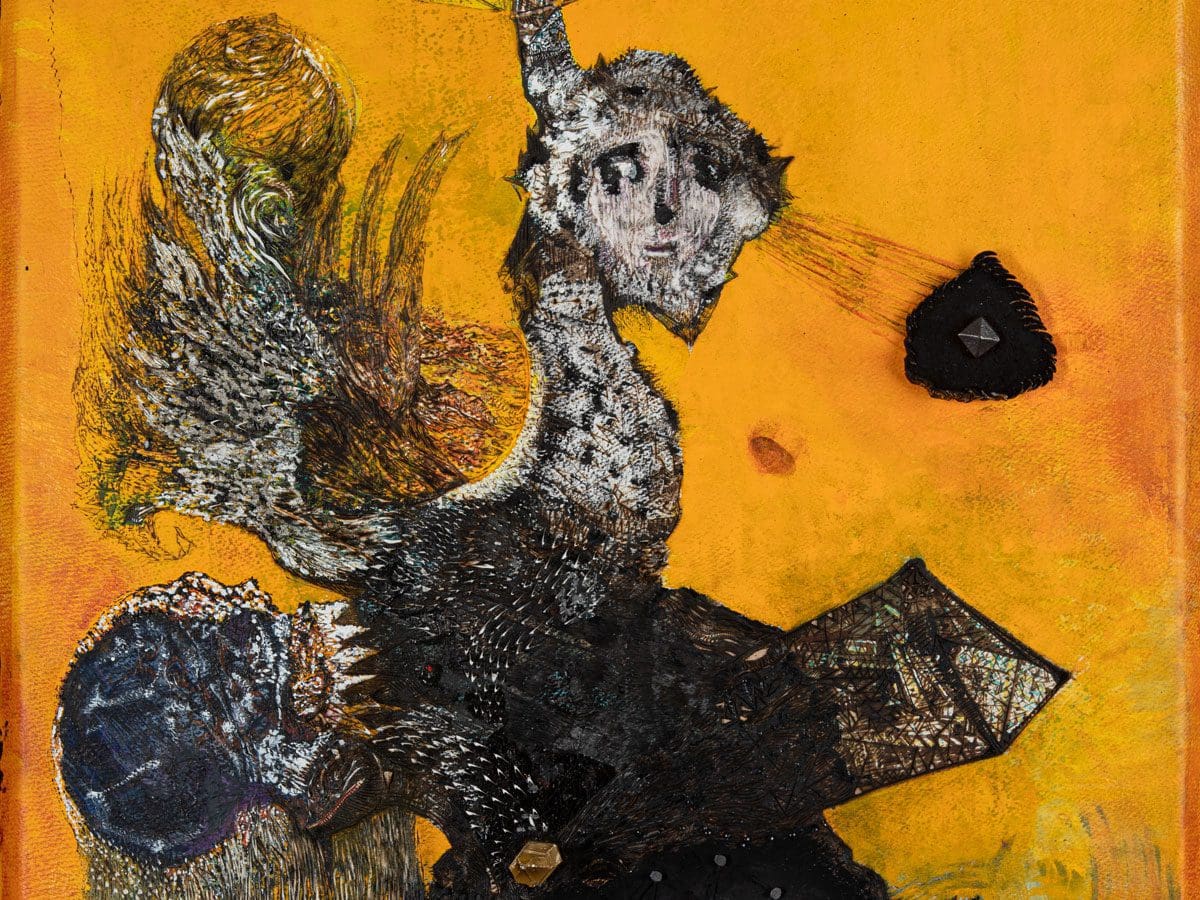
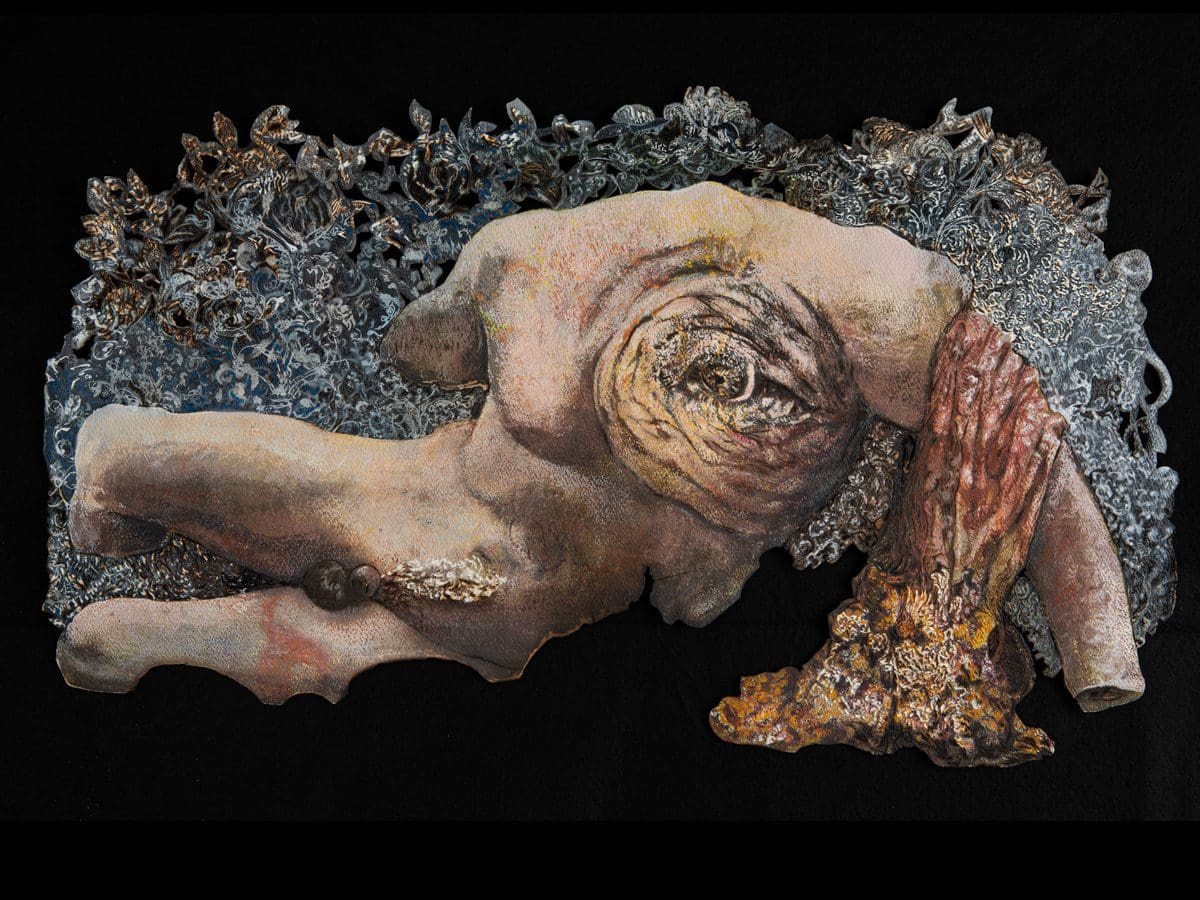
Just as the heavens shelter the cosmos, this work encapsulates an intricate dance. Like a living portrait of a boy and a girl, it emanates a dual presence, fusing together a dynamic duality that is as intricate as it is profound. It embodies a deeply philosophical exploration of artistic purpose, inviting readers to venture through the profound realms of the conscious and subconscious.
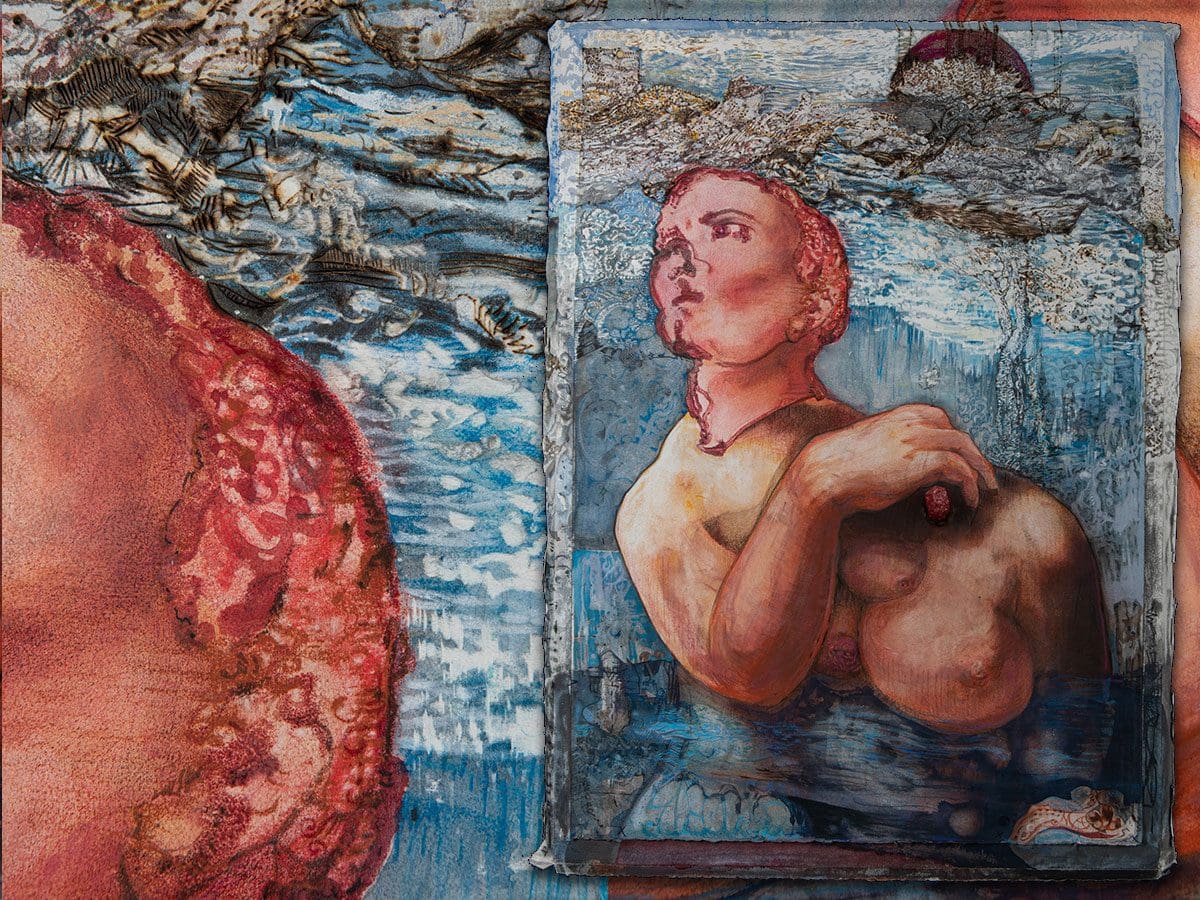
A symbol lives and eventually sparks an idea, and idea, like every idea, comes in the form of a sentence, in which each word, each letter, is a celestial body in the galaxy of thought it forms, revealing the undercurrents of psyche. The boy – the ‘Animus’ – in the narrative, likely reflects the artist’s longing for their work to be observed, to have a purpose beyond the superficial. It represents the masculine aspects of the artist’s psyche – the drive for validation, the ambition for purposeful creation. It is a spark.
Contrarily, the girl – the ‘Anima’ – embodies the nurturing and intuitive aspects of the psyche. It presents the artist’s capacity to understand and predict the deep-seated instinct of observers to seek solace in art during moments of introspection. The ‘Anima’ becomes a receptacle for these complex human emotions and thoughts, making the art a refuge, an oasis of contemplation. It calms it down.
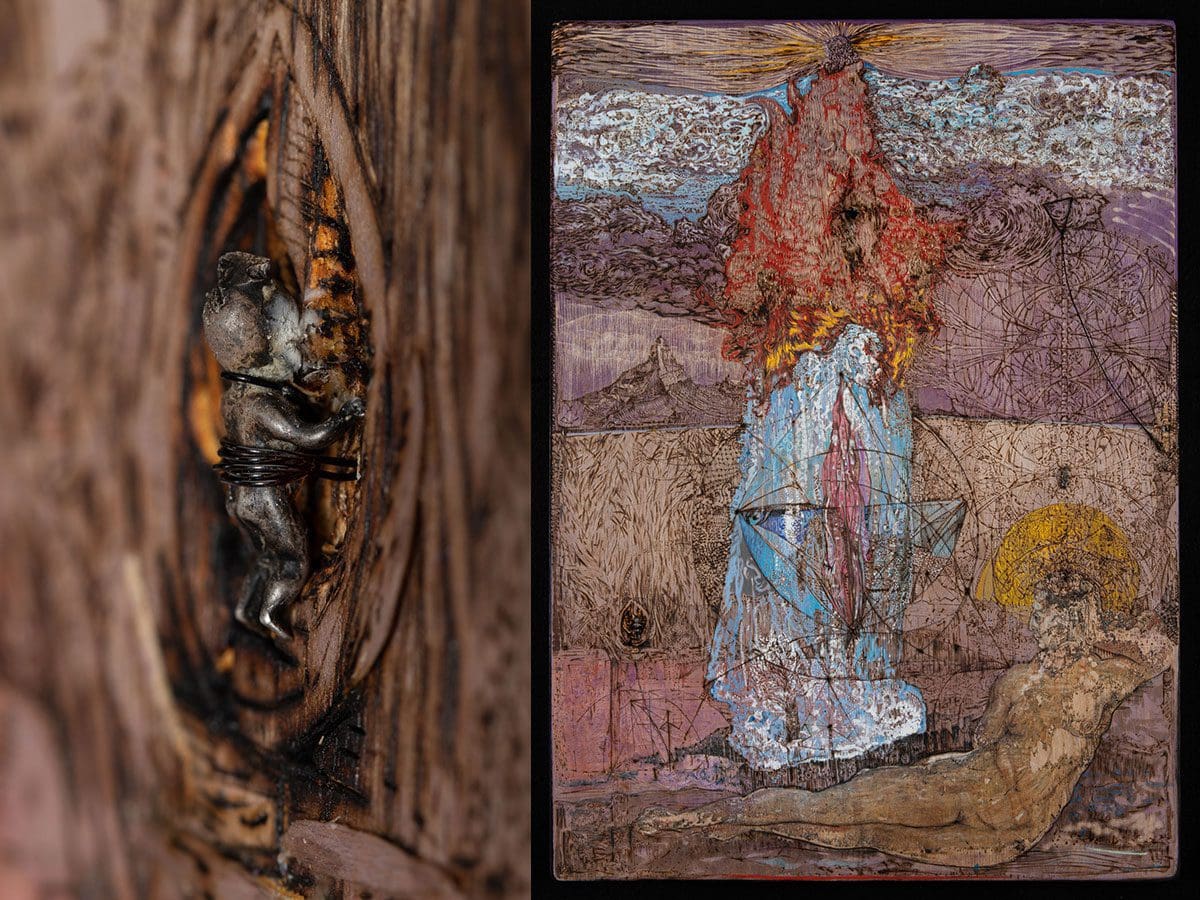
In the cosmic canvas of this article, the Animus and Anima are not in opposition. Rather, they exist in a symbiotic dance, each balancing and completing the other. Their dance is a celestial ballet, producing a gravitational pull that holds the universe of the piece of art together, bringing meaning and depth to the void, creating a space for introspection. One cosmic thought.
Notes:
The scale is intimate. The panel sits inside the shadow box with breathing room on all sides, giving the image the quality of a votive object or a devotional icon housed in its own shrine. The natural wood of the frame and backing emphasize the warmth and handmade quality of the object. This is a painting that belongs in someone’s home, held close, looked at often.
The two figures stand against a deep blue-black ground that darkens toward the top and bleeds into a muted violet at their feet. There is no landscape, no furniture, no context. They exist in a space without coordinates, the way figures appear in memory or in dreams. The darkness presses in around them.
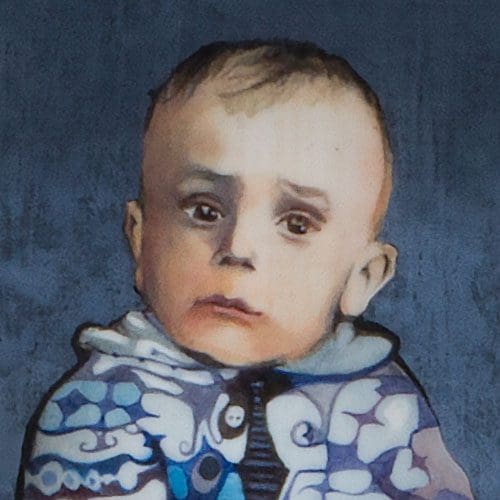
Jan stands on the left. His face is pale, almost spectral, with dark hollows around the eyes. He wears a blue-and-white ornamental top, elaborately patterned with scrollwork that Dlouhy has invented rather than copied from traditional Czech textile. His legs are visible below the bib in tight knit pants with laced shoes. His torso is absent. The ornamental collar sits directly above the legs, the body’s midsection dissolved, skipped over, structurally missing. He is a boy held together by his clothing.
Dana stands on the right. Her face is warmer, steadier, and she meets the viewer with a look that carries a faint, knowing quality. She wears a red-and-white patterned top with dense filigree scrollwork, and below it a brilliant skirt alive with folk-inspired motifs: flowers, suns, geometric shapes, bright yellows and oranges and reds. The skirt is the most chromatically intense passage in the painting. Her legs are absent.
Each figure is incomplete. They hold hands at the center of the composition, and in that gesture they become structurally necessary to one another. Each stands because the other holds them up. Two people enter a marriage as partial beings and form a single architecture through the act of joining. This is the Jungian framework made visible: animus and anima, the masculine and feminine aspects of the psyche, each requiring the other for wholeness. The painting renders that union with tenderness and with unsettling honesty.
The children’s clothing carries significance. Dlouhy’s invented ornamental patterns draw from Czech folk tradition without reproducing it. The scrollwork, the flowering skirt, the dense decorative surfaces recall the visual language of Central European folk art, embroidery, painted furniture, Easter eggs, ceramic work. These patterns carry cultural memory. They dress the children in heritage, in ancestry, in the decorative inheritance of a homeland Dlouhy left as a child. The wedding invitation becomes an act of cultural continuity.
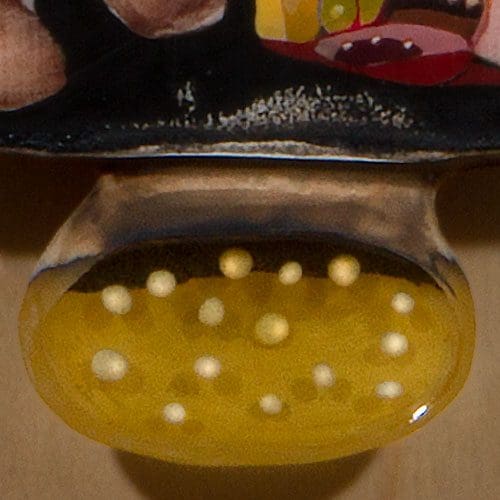
Beneath the panel, the bottom edge of the wood has been periodically carved away, creating an irregular opening from which a dome of yellow-gold resin emerges. Small white orbs are suspended inside the resin, frozen in place. The resin functions as a separate sculptural element attached to the painted surface, bridging painting and object. In the context of a wedding piece, the reading is immediate: fertility, potential, the seeds of a future held in amber. The orbs are preserved, waiting inside their golden vessel. The resin catches and holds light differently than the painted surface above it, giving the element a luminous, almost biological warmth. It hangs below the image the way fruit hangs from a branch, the way consequence follows union.
The overall effect is devotional. The shadow box frames the painting the way a reliquary frames a relic. The two incomplete children, dressed in inherited pattern, holding each other together against a void, with the promise of generation suspended beneath them in gold. The piece carries the weight of ceremony without the language of ceremony. There are no rings, no altars, no white dresses. There are two children who do not yet know what they will become to one another, painted by someone who does.
*Jan a Dana, holding hands.*
This cosmic dance also transcends the boundaries of the artist’s individual psyche, extending into the collective consciousness of humanity. Yes. Observers of all ages, just like stargazers looking at the cosmos, are drawn into this intricate ballet, the dance of Anima and Animus. Their gaze becomes a beam of cosmic energy, spark, light, fire, connecting the observer’s inner world with the celestial dance in the artwork, facilitating a deep, never-ending, introspective journey.
Eye & Mind
The Cosmic Dance: Interplay of the Cosmic Man and Cosmic Woman Archetypes The human psyche, a wellspring of images and narratives, has given birth to
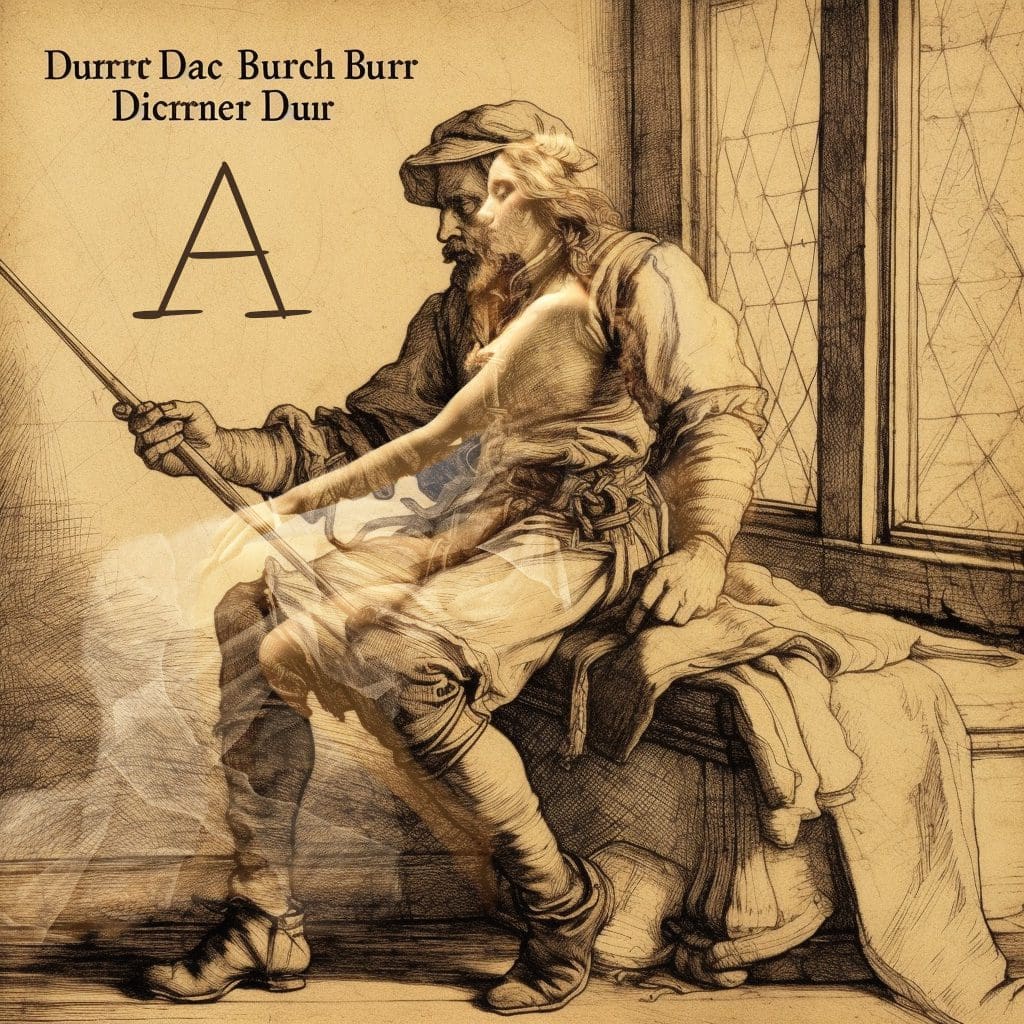
Anima and Animus Archetypes: A Catalyst for Artistic Eccentricity
Interactions with the opposite gender to achieving a balanced self-understanding and a descent drawing.